Overlanding is not car camping with a longer drive. The trip is the point, and the truck is the base camp that carries you through it. Days out, no hookups, changing weather, a route that reroutes you at noon. Your bed has to hold everything that keeps the trip running and let you reach any of it without unloading the whole works on a forest road.
That is a taller order than a weekend run. You are hauling sleep gear, water, food, a fridge, recovery equipment, tools, and fuel, and all of it has to ride secure over rough ground and stay reachable. Get it wrong, and every camp turns into a dig through your own gear.
Here is the thing most build videos skip. The best overlanding truck bed setup is not the most gear. It is the most adaptable. This guide covers what an overlander actually needs from the bed, and why a modular base beats a locked-in build for the owner who still uses the truck the rest of the year.
What Overlanding Actually Asks of Your Bed
Before you buy a single part, get clear on the jobs the bed has to do. Overlanding loads break into a few categories, each with its own demand.
- Sleep system: Whether you tent on the ground or rig something in the bed, your sleep gear has to stay dry and pack down fast.
- Water and food: Jugs, a fridge or cooler, and dry storage that keeps things from rolling around on washboard.
- Recovery gear: Traction boards, a kinetic rope, shackles, and tools you might need fast and muddy.
- Everyday load: Camp chairs, clothing, and the odds and ends a multi-day trip piles on.
Notice the pattern. Some is heavy and lives low, some is light and rides high, some you touch daily, some you hope you never need. A bed that piles all of it flat fails you the first time the recovery boards are buried under the food.
The Case for Modular Over Locked-In
Overlanding content leans hard on two builds: a rooftop tent up high or a full topper sealing the bed. Both work. Both also commit your truck to one mode, all the time, whether you are on a trip or hauling mulch on a Tuesday.
That is the trade a lot of owners miss until later. A permanent expedition build is a great trip rig and a compromised daily driver. The bed that carries your camp in July is the same one that fights a load of lumber in October.
Modular is the way out. A base you load for a trip and strip back for regular use gives you the expedition setup when you want it and your truck back when you do not. That flexibility, not raw gear count, separates a setup you keep from one you sell in a year.
An Overlanding Truck Bed Setup Built Around a Base
The core problem on any bed hits overlanders hardest: you have a floor and nothing above it, so everything fights for one plane. Solve that, and the rest of the build falls into place.
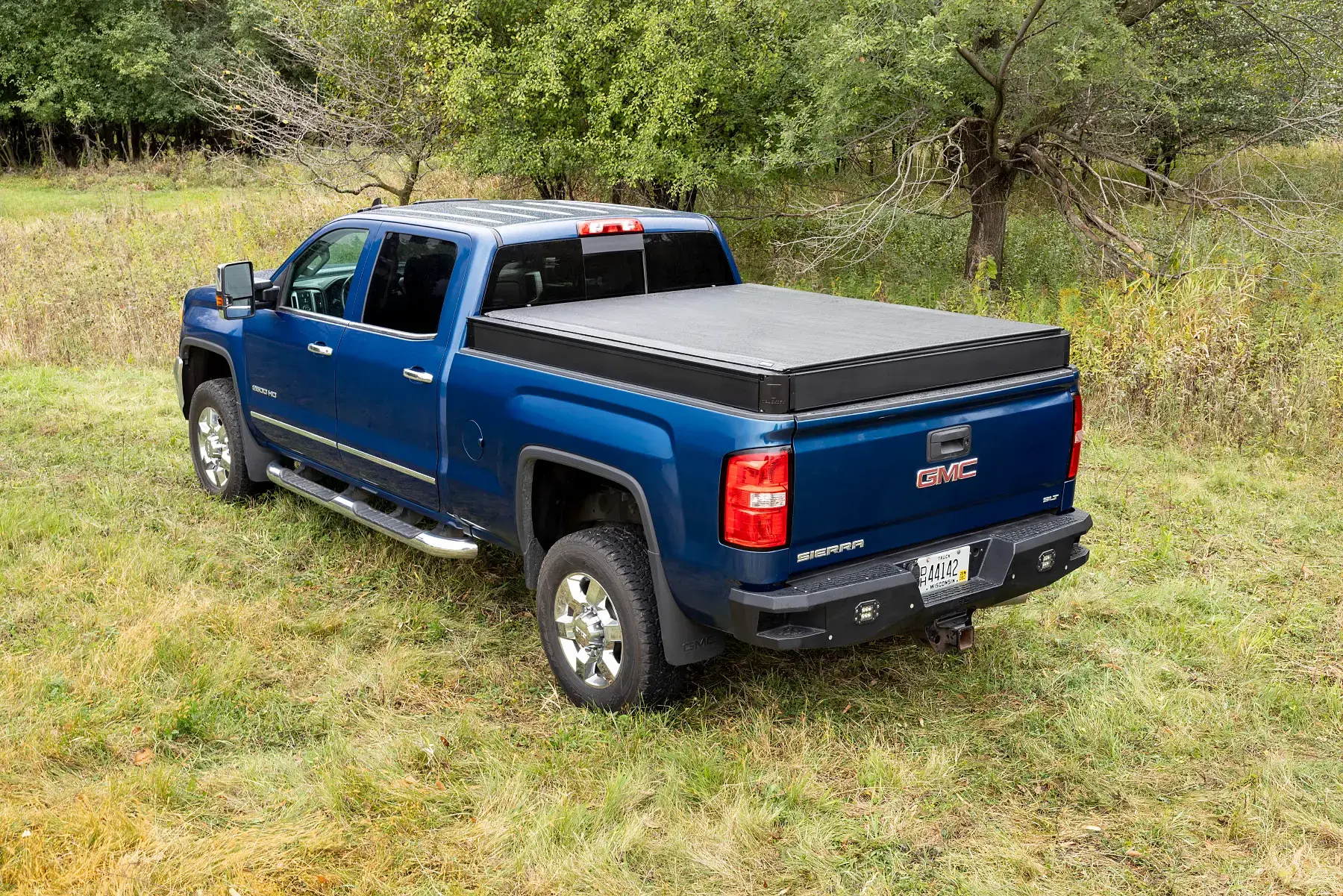
A bed raiser fixes it by opening a second usable deck. The Maxify Truck Bed Raiser grips the bed rails and picks the cover up by close to half a foot, which the brand pegs near a quarter more volume on average. The heavy, low gear rides on the floor, water, fridge, and recovery boards, while lighter kit stacks above, and the cover keeps sealing and opening as it always did. No drilling, no permanent change, so the trip build breaks back down once the trip wraps.
That covered, raised bed matters more on a long trip than a short one. Your gear rides sealed against dust and weather across days of trail, and the locking tailgate member on the kit adds security when you leave the rig at a trailhead and hike off.
Add the Pieces the Trail Demands
A raiser is the foundation. Every Truckify add-on runs on the same hand-tuned track, so you bolt on what the route calls for and pull it off when you are back to daily driving.
- Rackify rack system: Rides over the raised cover, low-profile to over-cab, for the long, bulky gear that swallows a bed, kayaks, bikes, ladders, and lumber.
- Kayak, bike, and fishing mounts: Dedicated holders for the toys that make the destination worth the miles.
- Anchors and load stops: Pin the load down so nothing walks around on the washboard and rock an overland route throws at you.
The point is not to hang every accessory on the truck. It is to add the few your trip needs and pull them when the trip ends.
Repacking Fast When Conditions Change
Here is what separates a good overlanding rig from a frustrating one. On a real trip you repack constantly. Weather rolls in, a campsite falls through, a trail closes, and you are reloading the bed in fading light more than once.
A build with zones makes that quick. Keep the heavy base gear low, the daily gear reachable up top, and the recovery kit where you can grab it without moving everything else. Because the accessory hardware tightens by hand, you reconfigure without digging for tools, which matters when the light is going, and the temperature is dropping. A setup you rework in minutes survives a real expedition instead of fighting you through it.
Match the Build to Your Truck
The right foundation starts with the right kit, which comes down to your truck and bed. Maxify makes kits for a range of trucks, the F-150, Tacoma, and Jeep Gladiator among the overland favorites, each sized to a specific bed length and model year. Confirm your bed length before ordering with Truckify's measuring guide, a quick step that heads off the wrong order.
Overland gear covers a wide price spread, and those numbers move around by season and by whatever is in stock, so read any of them as loose. A current Maxify price only lives in one reliable spot, the Truckify product listings, so start there instead of a figure quoted elsewhere. That same listing details what the raised deck holds, which lets you size the build to a real trip.
Build the Rig, Keep the Truck
Overlanding rewards owners who plan the bed as a system instead of a stack of purchases. Build around a modular base and the expedition rig rides with you on the trail while your ordinary truck waits in the driveway, no permanent trade made. Look at what the Maxify raiser does to turn a plain bed into an adaptable base camp, then order the kit sized to your truck. Planning a first big route? Message the Truckify crew to help dial it in.
Frequently Asked Questions
Do I need a rooftop tent to start overlanding?
No. A rooftop tent is one sleep option, not a requirement, and plenty of overlanders run a ground tent or a bed-based sleep system instead. What matters more is that your sleep gear stays dry and packs down fast. A modular setup lets you handle sleep your own way while keeping the bed open for water, food, and recovery gear.
Why go modular instead of a full topper build for overlanding?
A topper commits your truck to one configuration year-round, fine on a trip and limiting the rest of the time. A modular base gives you the expedition setup when you want it and a normal, workable bed when you do not. For an owner who still hauls or daily-drives between trips, that flexibility usually beats a permanent build.
Can a bed raiser handle the gear load of a multi-day trip?
A raiser opens a second deck so heavy gear rides low and lighter kit rides above, which is the layout a loaded trip wants. It keeps the cover you already run sealing against dust and weather across days on the trail. For what that raised deck holds, check the product page and match your build to the loads your trips put on it.
How does a modular setup help when I have to repack on the trail?
Overlanding means reloading the bed as conditions shift, and a zoned build makes that fast. Heavy gear stays low, daily items stay reachable, and recovery equipment stays grabbable without unloading everything. Since the accessory hardware tightens by hand, you rework the setup without hunting for tools, even in bad light.
Will this setup fit an F-150, Tacoma, or Gladiator?
Maxify builds kits for a range of trucks, including popular overland platforms like the F-150, Tacoma, and Jeep Gladiator, each matched to a specific bed length and model year. Which one is yours hinges on your exact bed, so measure first and confirm with the guide on the Truckify site. The shop listings then lead you to the kit cut for your rig.